
A wedding website is no longer a nice extra. For most couples in 2026, it’s the place where the whole event starts to make sense.
The first decision most couples get wrong
If you’re planning a wedding in 2026, one of the earliest choices that quietly saves the most time is also one of the easiest to overlook: building a wedding website.
Not because it looks pretty, though it can. Not because it’s trendy, though it is. It matters because modern weddings have more moving parts than ever: multiple events, travel plans, digital RSVPs, dietary notes, hotel blocks, dress codes, and last-minute updates that can’t wait for a text thread to settle down.
A well-built wedding website gives your guests one trusted place to check the essentials. That means fewer repeated questions for you and fewer mistakes for everyone else. For instance, if your ceremony is at 4:30 p.m. but the shuttle leaves at 3:45 p.m., the timing needs to live somewhere visible, not buried in a group chat.
In practical terms, the couples who use a wedding website well are not just being organized. They are protecting their time, lowering stress, and making the planning process feel more polished.
Why a wedding website matters more in 2026
The way couples plan and share wedding details has changed. Guests expect fast answers, mobile-friendly pages, and updates they can access instantly. That expectation has only grown as more invitations, RSVP forms, and event details move online.
Here’s why this matters now:
- Guests are often scattered across cities, countries, and time zones.
- Many weddings include more than one event, such as a welcome dinner, ceremony, brunch, or after-party.
- Venue rules, transport plans, and dress codes are often too detailed for a paper invite.
- Couples want a cleaner, more sustainable alternative to printing every single update.
A modern wedding website helps bridge all of that. It’s not replacing hospitality. It’s making hospitality easier to deliver.
If you’re using a service like DreamWedds, the goal is simple: create one central place where guests can read, respond, and stay informed without chasing you for details.
What your guests actually need from you
Most guests do not need a long story. They need clarity.
At minimum, your wedding website should answer these questions:
- Where is the ceremony and reception?
- What time should guests arrive?
- Is the dress code formal, cocktail, black tie, or something more specific?
- Are children invited?
- Can guests bring a plus-one?
- How do RSVPs work?
- Where should out-of-town guests stay?
- Is parking, valet, or a shuttle available?
- What is the plan for weather if the ceremony is outdoors?
That’s the real value. A wedding website reduces friction.
Imagine you’re hosting a late-summer garden wedding. The invitation says “please join us at 5 p.m.” But on your website, you can add the useful context: arrive by 4:30 p.m., wear block heels if you’re not comfortable on grass, and use the side entrance near the fountain. Small details like that prevent confusion before it starts. For more ideas on wedding day details, check out our guide on 25 Wedding Trends Every Couple Should Follow in 2026.
The features that are worth including
Not every page needs to be packed with information. But a strong wedding website usually includes a handful of essential sections.
1) Event details
This is the foundation. Keep it easy to scan. Include venue names, addresses, start times, and any separate locations for ceremony, cocktail hour, or reception.
2) RSVP form
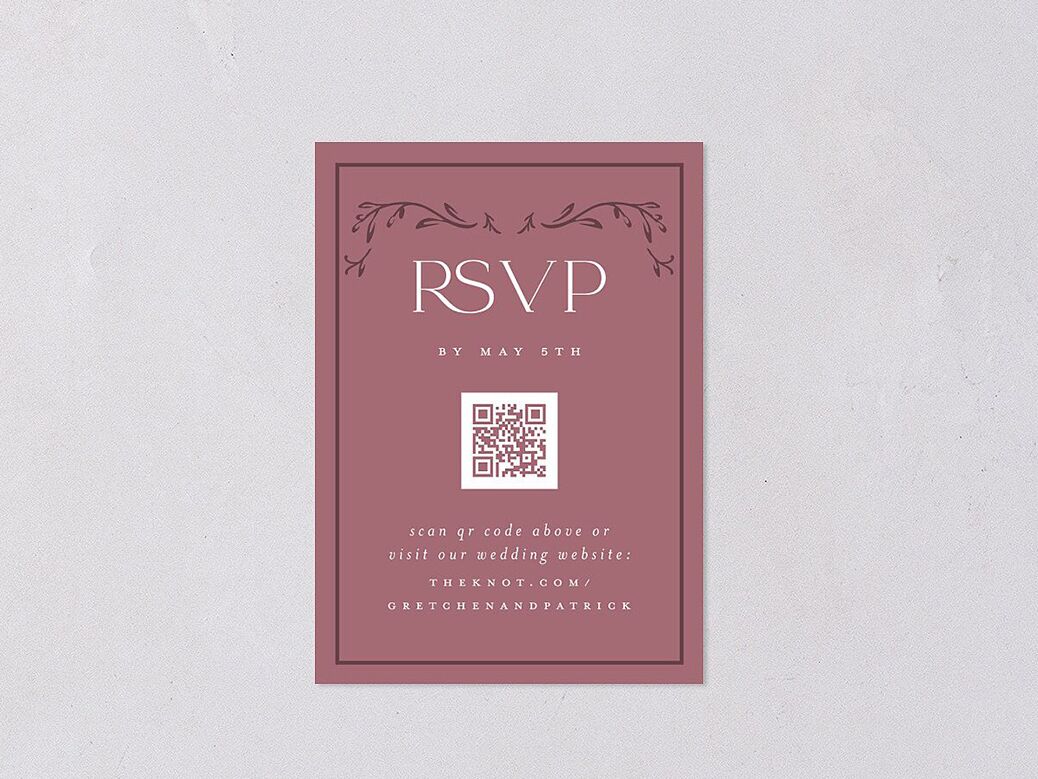
Digital RSVPs are one of the biggest reasons couples build a wedding website in the first place. They make headcount tracking cleaner, especially when you need meal selections, song requests, or attendance for multiple events.
3) Travel and accommodation info
If you have guests coming from out of town, this section is gold. Add nearby hotels, room block details, transit tips, and approximate drive times from the airport or station.
4) FAQ page
This is where you save yourself from repeat messages. Answer questions about attire, children, unplugged ceremony preferences, gifts, accessibility, and weather backup plans.
5) Story or timeline
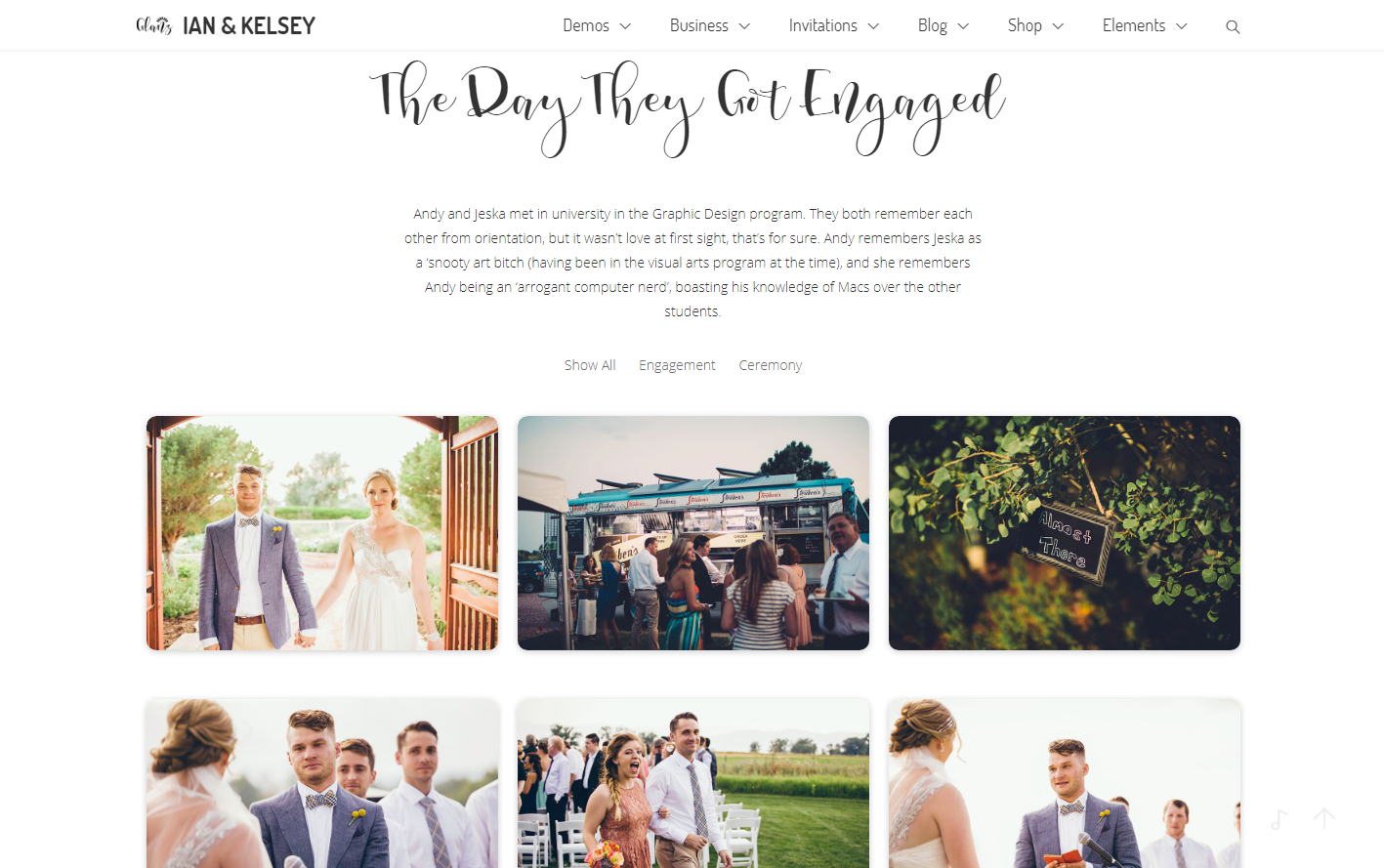
A short “how we met” section can make the site feel warm rather than purely logistical. Keep it brief. Guests want a touch of personality, not a memoir.
Common mistakes couples still make
Even the best-intentioned couples can turn a wedding website into a cluttered information dump. That usually happens for one of three reasons: too much detail, late updates, or unclear priorities.
A few mistakes to avoid:
- Posting incomplete information because you’re waiting on one vendor detail
- Using different wording on the website and the invitation
- Hiding the RSVP deadline too far down the page
- Forgetting to test the site on mobile
- Making guests search for basic facts like the location or dress code
- Leaving old information live after a schedule change
One especially common issue: couples create the site, then stop maintaining it. If your planner changes the shuttle pickup time or your ceremony shifts by 20 minutes, update the website right away. Guests will check it again later, so it needs to stay current.
A smarter way to think about wedding planning
A wedding website is not just for guests. It also helps you make better decisions.
When you gather RSVPs digitally, you get cleaner numbers faster. That helps with catering counts, seating charts, and vendor confirmations. When your FAQ is clear, you field fewer repetitive messages. When your schedule is visible, guests arrive better prepared, which makes the whole day feel smoother.
That’s the practical side of wedding-planning. Less guessing. Fewer corrections. Better flow.
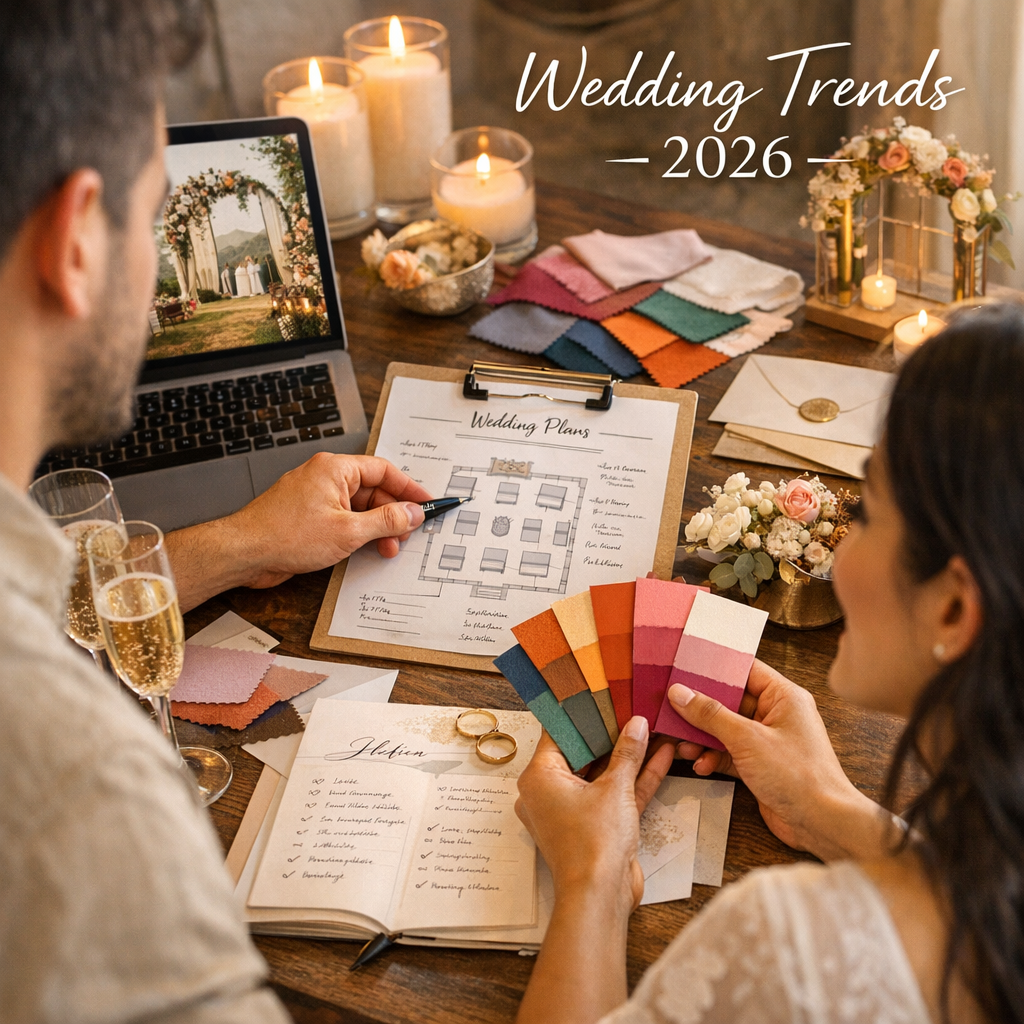
It also helps if your celebration has layered logistics. For example, if you’re doing a city wedding with a rooftop ceremony and a separate dinner venue across town, the website can explain exactly how guests move between spaces. That alone can prevent late arrivals and awkward confusion. For additional tips on managing detailed wedding logistics, see our post on Mastering Marriage Communication: Tips for a Stronger, Lasting Relationship.
What a good wedding website looks like in 2026
The best sites are usually the simplest ones. Clean design. Mobile-first layout. Easy RSVP flow. Clear navigation.
A few signs you’re doing it right:
- Guests can find the RSVP button within seconds
- The home page gives the date, location, and main schedule at a glance
- FAQ answers are short, direct, and helpful
- Your tone feels welcoming, not corporate
- The site looks good on a phone without pinching or zooming
You don’t need to overbuild it. In fact, minimal and functional usually wins. The aim is to make your wedding easier to attend, not to create a digital magazine.
The next move
If you’re still deciding whether a wedding website is worth it, ask yourself one simple question: would it help your guests show up informed and on time? For most couples, the answer is yes.
Start with the basics, add the details that genuinely matter, and keep the tone clear and warm. DreamWedds makes that process straightforward, so you can spend less time answering the same questions and more time enjoying the season of marriage planning. For more inspiration on creating a smooth wedding experience, you might also find our guide on Growing Together: How to Build a Strong and Lasting Relationship Through Mutual Growth a helpful read.
References
- The Knot - Wedding Website Guide
- Zola - Wedding Websites
- Brides - Wedding Website Tips
- US Travel Association - Travel Planning Resources



-
-
 What to include in my Wedding Website
Dream Wedds
-
-

-

-
-

-
-

-
 Effective Natural Skincare Remedies to Reduce Pore Size
DreamWedds Team
-

-

-

-
-
 The Ultimate Guide to Achieving Long-Lasting Bridal Makeup
DreamWedds Team
-

-
-

-

-

-

-
 The Importance of a Bridal Makeup Trial for Your Wedding Day
DreamWedds Team
-

-
 Virat & Anushka: A Fairytale Wedding to Remember!
Yashashvi Mathur
-

-

-
-

-
 A Guide to Health, Wellness post Marriage
Saujanya Bose
-

-
-
-

-

-

-

-

-
-
-

-

-
 Health and Wellness for Brides and Grooms
DreamWedds
-
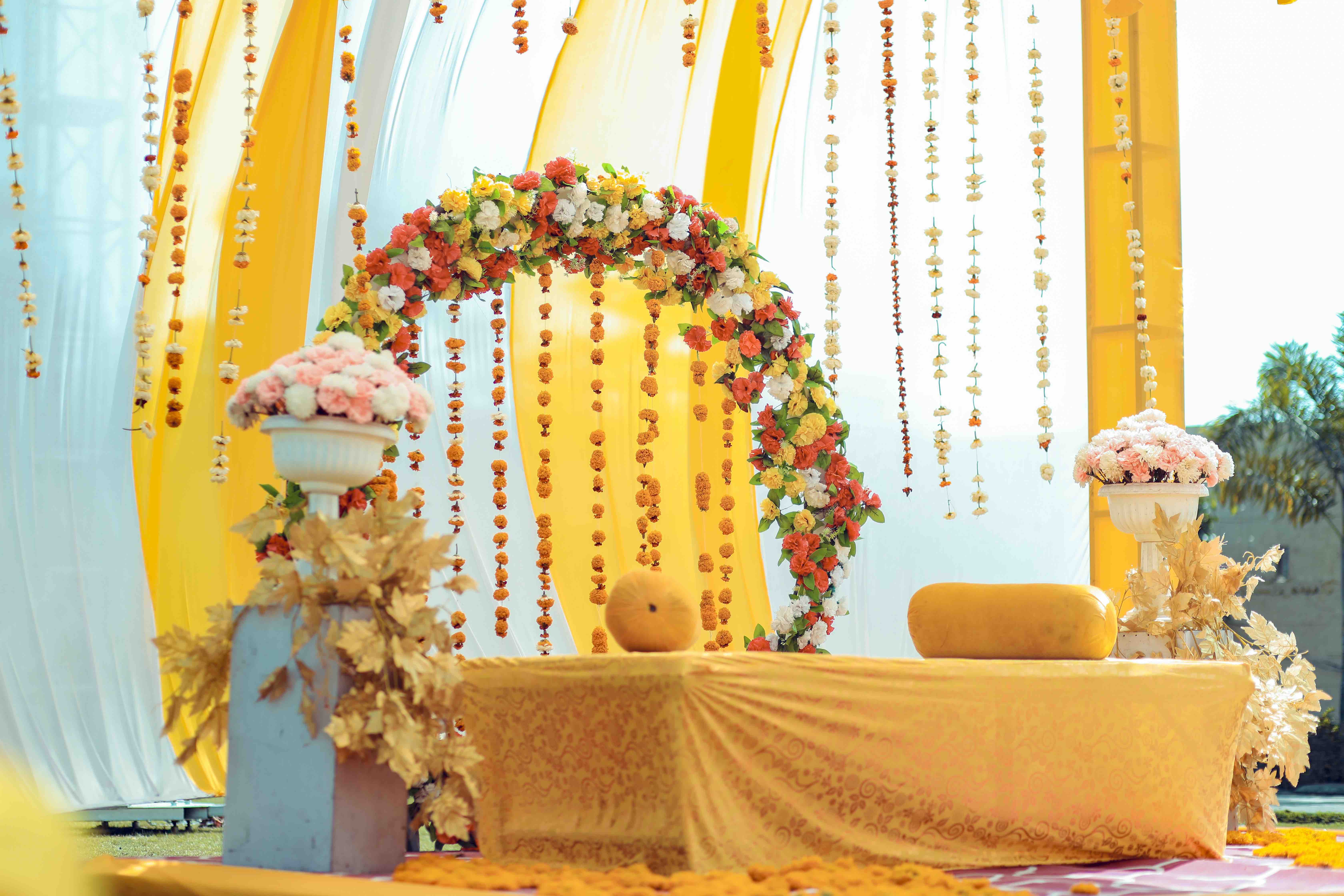 Elevate Your Haldi and Mehandi Ceremony Glam
Neeraj Singh
-

-

-
-
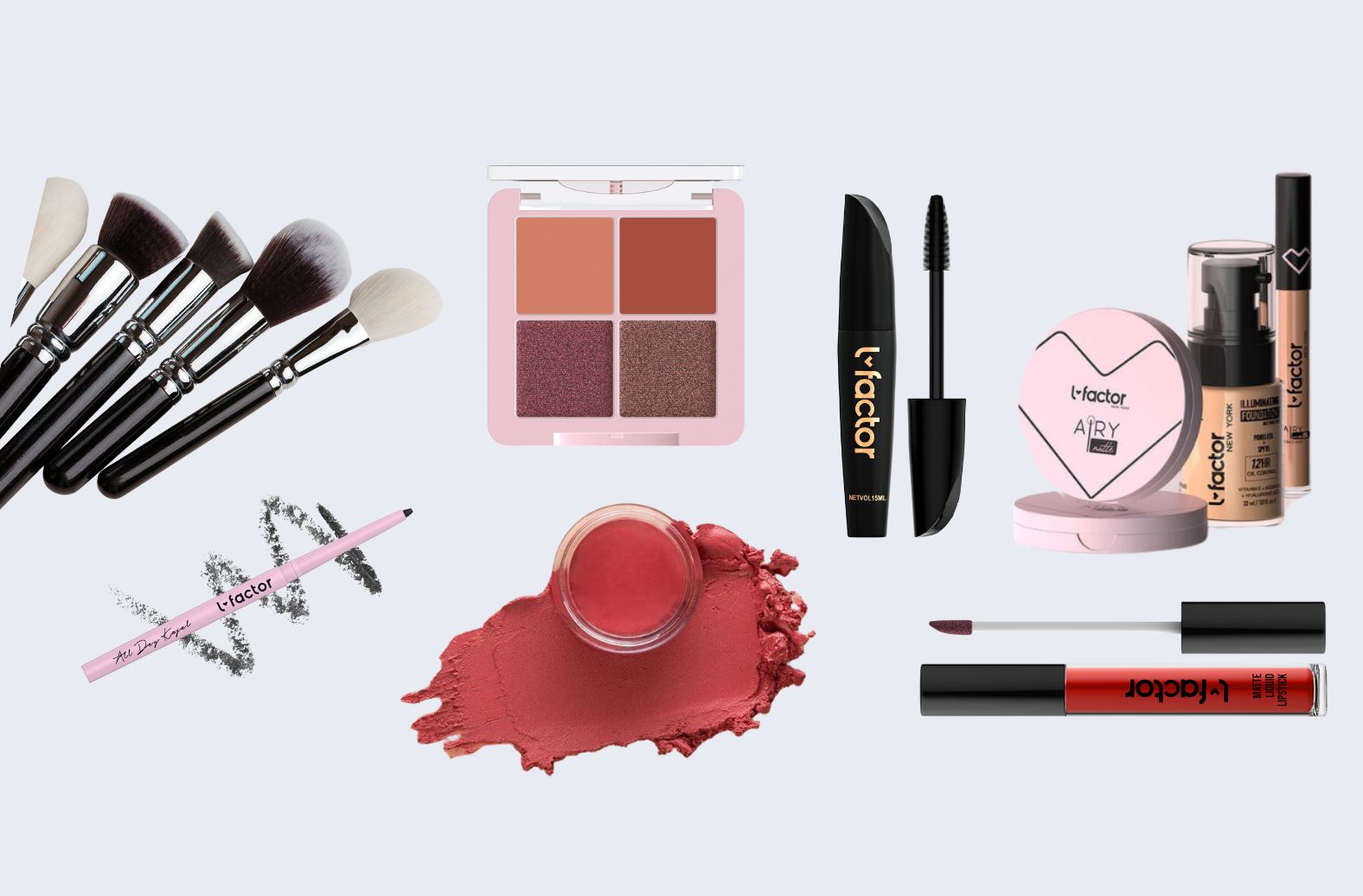 Makeup Basics: Essential Cosmetics Every Beginner Should Own
DreamWedds Team
-
 The Ultimate Wedding Planning Checklist for Indian Weddings
Simranpreet Singh
-
 Selecting the Perfect Foundation Shade: Your Ultimate Guide
DreamWedds Team
-

-

-

-
-

-

-

-

-

-
 Personal Space: The Key to a Healthy and Balanced Marriage
DreamWedds Team
-
-
-

-

-
-
 How Engagement Party should be celebrated
Leonard Bernstein
-

-

-
 Fade Dark Spots: Natural Remedies and Tips for Clearer Skin
DreamWedds Team
-
-
-

-

-

-

-
-
:max_bytes(150000):strip_icc()/Kitzcornermedium-c9abd848ea634040a06bb6db8b8a7304.jpg)
-