
If you want fast RSVPs and simple logistics, digital is hard to beat. If you want something guests can hold, save, and remember, printed still has a special place.

The real choice couples are making
When couples compare digital wedding invitations vs printed cards, they are usually deciding between two different kinds of value.
One is speed, tracking, and convenience. The other is ritual, presentation, and keepsake appeal.
In 2026, both are completely normal choices. What matters most is not which one is “better” in theory, but which one fits your guest list, budget, and wedding style. A city registry office ceremony with a last-minute date change has different needs from a black-tie weekend celebration with older relatives and formal hosts.
If you are weighing wedding invitations right now, start with the practical question: what do your guests need from the invitation, and what do you need from the process?
What digital invites do especially well
Digital wedding invitations are popular because they solve problems quickly. They are easy to send, easy to update, and easy to track.
For couples planning on a tighter timeline, that matters. If your date is firm but your venue details are still being finalized, a digital invite can be updated without reprinting anything. If your guest list includes out-of-town friends, they can tap through to travel info, accommodation links, dress code notes, or a gift registry in one place.
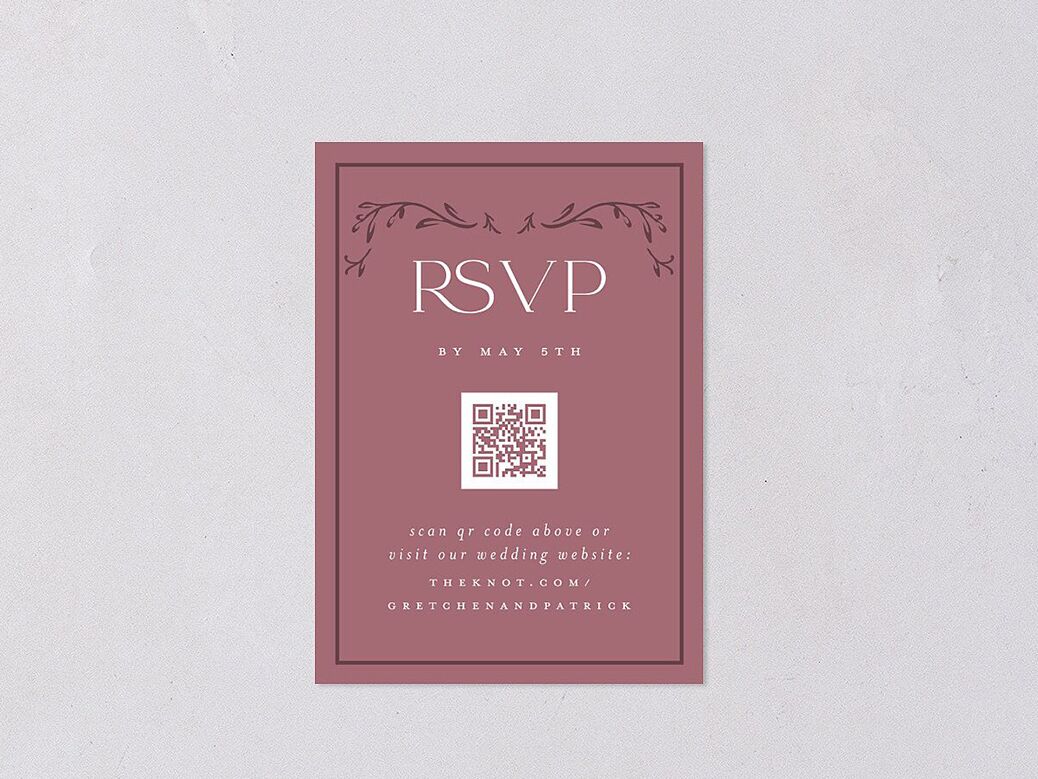
They are also strong on RSVP management. Many platforms let you see responses in real time, which reduces the awkward follow-up texts that usually start around the two-week mark.
A digital invite is often the better choice if you:
- Have a short planning window
- Want to reduce printing and postage costs
- Expect to make schedule or venue changes
- Need to share details for multiple events, such as a welcome dinner or brunch
- Have guests who are comfortable receiving information by email, text, or a wedding website
For many couples, the biggest win is not cost alone. It is calm. Fewer moving parts. Less chance of addresses going missing. Less waiting.
You can also explore why every modern couple needs a wedding website in 2026 to complement your digital invitations, streamlining your communication and guest management even further.
Where printed cards still win
Printed cards feel different. More formal. More tactile. More intentional.
That matters for certain weddings. A letterpress suite on thick cotton paper sets a tone before the day even begins. A foil-stamped card in a velvet envelope may feel right for a ballroom reception or a traditional celebration where stationery is part of the overall aesthetic.
Printed wedding invitations also work well when families value ceremony and keepsakes. Some guests, especially older relatives, simply prefer receiving something physical in the mail. Others like keeping the invitation in a memory box after the wedding.
Printed cards are often worth considering if you:
- Want a classic or formal presentation
- Have older guests who are less digital-first
- Are planning a highly styled event where paper design supports the theme
- Want a keepsake for yourself, your parents, or your grandparents
- Prefer a more traditional etiquette feel for the main invitation
For instance, a couple hosting a church ceremony and dinner at a historic manor may choose printed invitations for the main event, then use digital updates for last-minute parking instructions or weekend changes. That hybrid approach gives you both polish and flexibility.
Cost, timing, and the hidden trade-offs
Budget is where the comparison gets real.
Digital wedding invitations are usually the lower-cost option overall, especially once you factor in envelopes, postage, and reprints. But “cheap” is not always the right word. Good digital design, a custom wedding website, and a reliable RSVP system still take time and sometimes a paid platform.
Printed cards can range widely depending on paper stock, number of inserts, print method, and envelope addressing. In 2026, couples often find that the total can climb quickly once they add:
- Save-the-dates
- Return address printing
- Envelope liners
- Special finishes such as foil or embossing
- Extra inserts for directions, hotels, or dress code
- Postage, especially for heavy or oversized mailers
The trade-off is not only money. It is also timing.
Digital is faster to produce and easier to correct. Printed invitations usually need a longer lead time because design, proofing, printing, and mailing all take time. If your guest list is still shifting, digital saves stress. If your paper suite is part of the experience, printed rewards the extra planning.
If you are also weighing overall budgets and timelines, our 25 Wedding Trends Every Couple Should Follow in 2026 article touches on how evolving wedding planning priorities might affect your choices.
Etiquette and guest experience: what couples often get wrong
This is where many couples overthink it.
The invitation format does not decide whether your wedding is formal, respectful, or thoughtful. The communication does.
A beautifully written digital invite can feel warm and polished. A printed card can feel cold if it is missing the details guests actually need. What matters is clarity.
Common mistakes couples make:
- Sending a digital invitation with no backup for older guests who may prefer a mailed card
- Choosing printed cards, then leaving out key logistics like RSVP deadlines or venue maps
- Splitting information across too many places, so guests cannot tell what is final
- Forgetting accessibility needs, such as clear fonts, mobile-friendly links, or readable contrasts
- Treating etiquette as all-or-nothing instead of tailoring it to the people attending
One good rule: if a guest would have to call you to understand the event, the invitation needs more work.
A practical way to decide
Choose the format that fits your real guest list, not your Pinterest board.
Pick digital wedding invitations if:
- Your wedding is modern, intimate, or relatively informal
- You want RSVPs tracked in one place
- You are managing multiple events or changing details
- You care about reducing waste and postage
- Your guests are comfortable online
Pick printed cards if:
- You want a formal first impression
- Your families expect a traditional approach
- Presentation and paper quality are part of your wedding design
- You value keepsakes and mailed stationery
- You are hosting a wedding where the invitation itself feels ceremonial
Consider a hybrid if:
- You want printed invitations for the main event but digital updates for logistics
- You have a mixed guest list with both tech-savvy friends and older relatives
- You want to balance budget with sentiment
"The best invitation format is the one your guests will actually use and your planning system can actually support."
What tends to work best in real weddings
In practice, many couples land on a hybrid solution because it gives them the strongest parts of both formats.
For example, a couple in London planning a summer garden ceremony might send a printed invitation for the main event, then direct guests to a wedding website for transport, accommodation, and RSVP management. Another couple planning a smaller civil ceremony may skip print entirely and build the whole experience around a beautifully designed digital invite and matching website.
Neither is “less proper.” They are just different tools.
If your wedding is being planned quickly, digital may save your sanity. If your guests will treasure the invitation itself, printed may be worth the spend. And if you need a middle ground, use both intentionally rather than by accident.
Invitation decision checklist
Before you choose, ask yourselves:
- How quickly do we need to send invitations?
- How important is RSVP tracking to us?
- Do we have older guests who may prefer paper?
- Is our wedding style formal, modern, or mixed?
- Do we want a keepsake invitation?
- What is our realistic budget after postage and extras?
If your answers point in two different directions, that is usually a sign a hybrid approach will suit you best.
A simple next step
Before you order anything, map your guest list into three groups: digital-only, print-friendly, and hybrid. That one exercise makes the decision much easier.
If you are building your wedding details in DreamWedds, this is also a good moment to pair your invitation choice with your wedding website, RSVP flow, and event information so everything feels coordinated from the start. For more tips on streamlining your wedding planning process, see our Unlocking Quality Time: Practical Strategies and Creative Ideas for Busy Couples to Strengthen Their Relationship to help you enjoy the journey together.
References
- Why Every Modern Couple Needs a Wedding Website in 2026
- 25 Wedding Trends Every Couple Should Follow in 2026
- Unlocking Quality Time: Practical Strategies and Creative Ideas for Busy Couples to Strengthen Their Relationship



-

-
 What to include in my Wedding Website
Dream Wedds
-
-

-

-

-

-
-

-
 Effective Natural Skincare Remedies to Reduce Pore Size
DreamWedds Team
-

-

-

-

-
 The Ultimate Guide to Achieving Long-Lasting Bridal Makeup
DreamWedds Team
-

-
-

-

-

-

-
 The Importance of a Bridal Makeup Trial for Your Wedding Day
DreamWedds Team
-

-
 Virat & Anushka: A Fairytale Wedding to Remember!
Yashashvi Mathur
-

-

-
-

-
 A Guide to Health, Wellness post Marriage
Saujanya Bose
-

-

-

-

-

-
-

-

-

-
-

-

-
 Health and Wellness for Brides and Grooms
DreamWedds
-
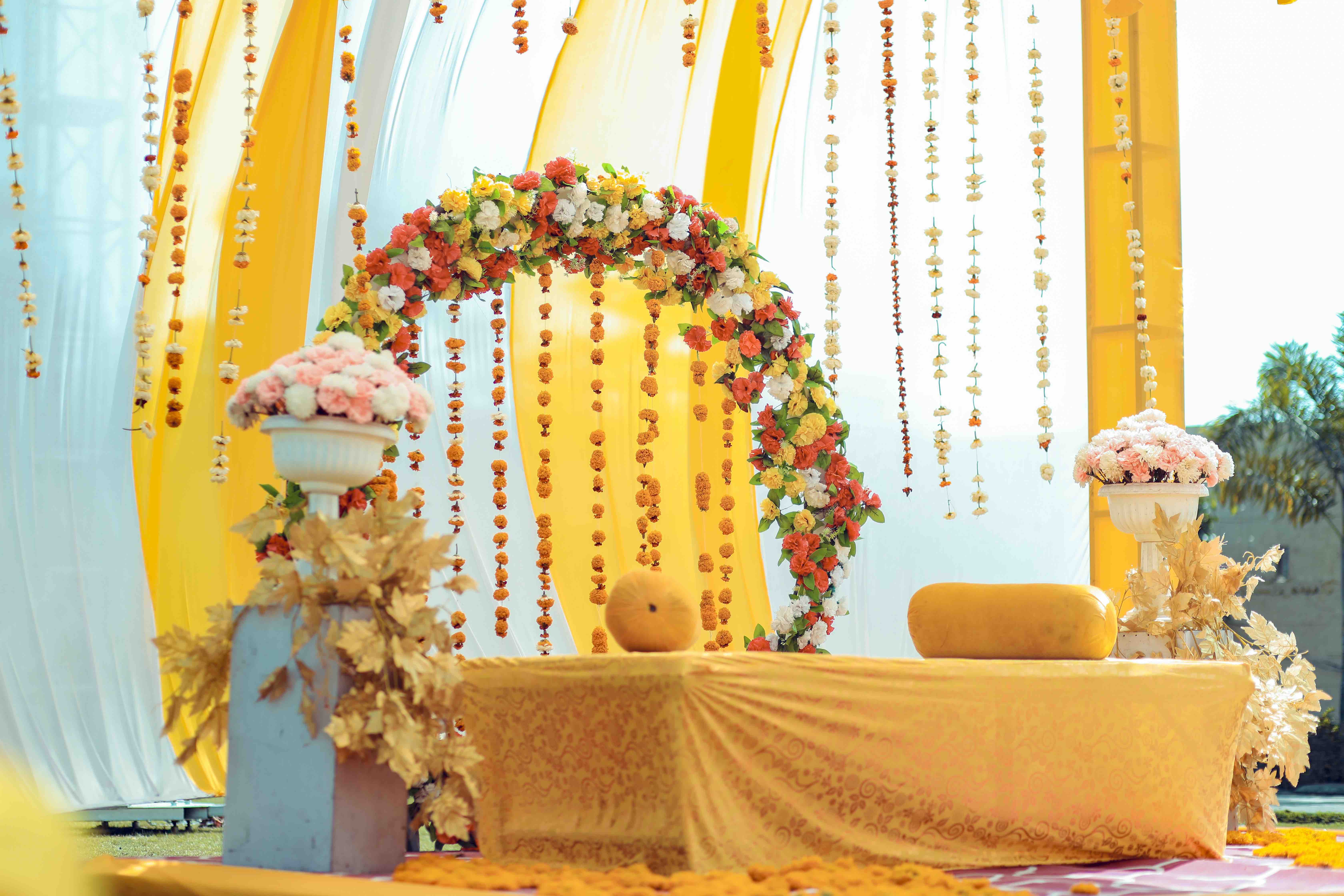 Elevate Your Haldi and Mehandi Ceremony Glam
Neeraj Singh
-

-

-
-
 Makeup Basics: Essential Cosmetics Every Beginner Should Own
DreamWedds Team
-
 The Ultimate Wedding Planning Checklist for Indian Weddings
Simranpreet Singh
-
 Selecting the Perfect Foundation Shade: Your Ultimate Guide
DreamWedds Team
-

-

-

-

-

-

-

-

-

-
 Personal Space: The Key to a Healthy and Balanced Marriage
DreamWedds Team
-
-
-

-

-
-
 How Engagement Party should be celebrated
Leonard Bernstein
-

-

-
 Fade Dark Spots: Natural Remedies and Tips for Clearer Skin
DreamWedds Team
-

-

-

-

-

-

-
-
:max_bytes(150000):strip_icc()/Kitzcornermedium-c9abd848ea634040a06bb6db8b8a7304.jpg)
-